Most businesses have seen this happen. A customer slowly stops engaging. They skip your emails. Usage drops. And one day, they cancel — without a complaint. By the time most teams react, the customer has already made up their mind.
Zerodha didn’t depend on a long list of marketing channels. Instead, it focused on a few that matched how modern investors behave. These tactics helped them grow without investing in paid ads.
Six out of ten people on the internet today talk about investing in the stock market. But, you see, investing has never been easy. And people who started investing in the early 2010s know how difficult it felt. Opening a trading account took days. Brokerage fees were high. Platforms looked complicated, and every action needed a phone call to a dealer. It felt like the entire system was for experts.
It was not for everyday people who just wanted to invest. In August 2010, Nithin Kamath and Nikhil Kamath, from Bangalore, decided to fix this gap.They launched Zerodha, a brokerage designed to remove the barriers that kept regular Indians away from the markets.Their idea was to lower the cost of investing, make the platform easy to use, and explain everything in plain language so beginners didn’t feel lost.
However, the problem was that old firms with high fees, slow processes, and complex tools dominated India's retail brokerage industry. Trust was also a challenge.People don’t switch platforms easily in the financial space. They need a brand that feels reliable, open, and serious about protecting their money.Zerodha entered this tough market without massive advertising budgets. Yet over the years, it grew into one of the largest brokers in India.
But how?
Get your gear on and let’s plunge!
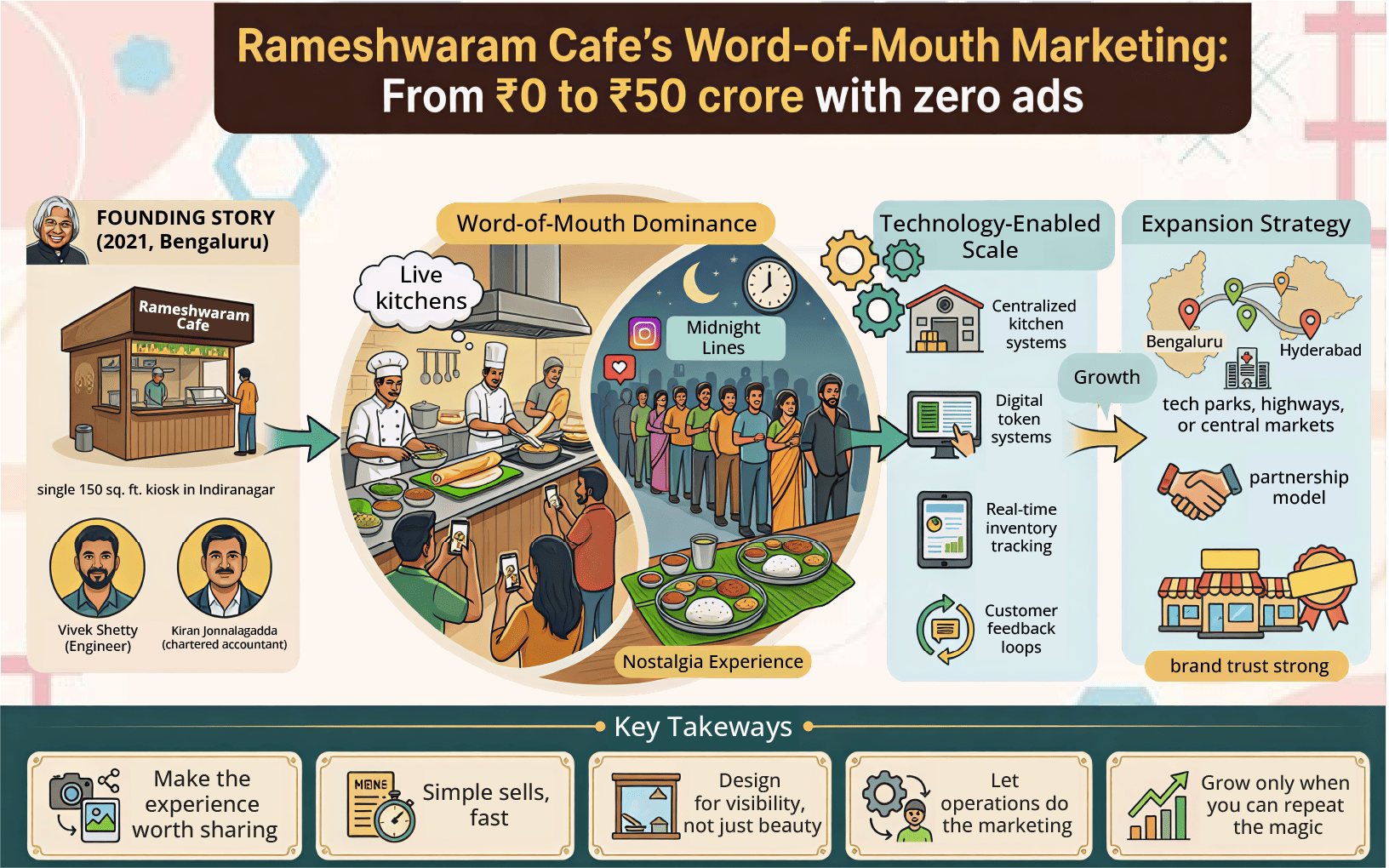
For many South Indians, the perfect breakfast isn’t about a big spread. It was simple. A hot dosa soaked in ghee, coconut chutney on the side, and a steel tumbler of strong filter coffee.
One that made them feel at home, wherever they were. Rameshwaram Café brought that feeling back, but they didn’t wrap it in nostalgia for marketing. They recreated it in real kitchens, with real ingredients, and real speed.
The result is:
Lines outside their outlets at midnight.
Reels of overflowing chutney bowls.
And a brand that grew through memories people didn’t know they missed.
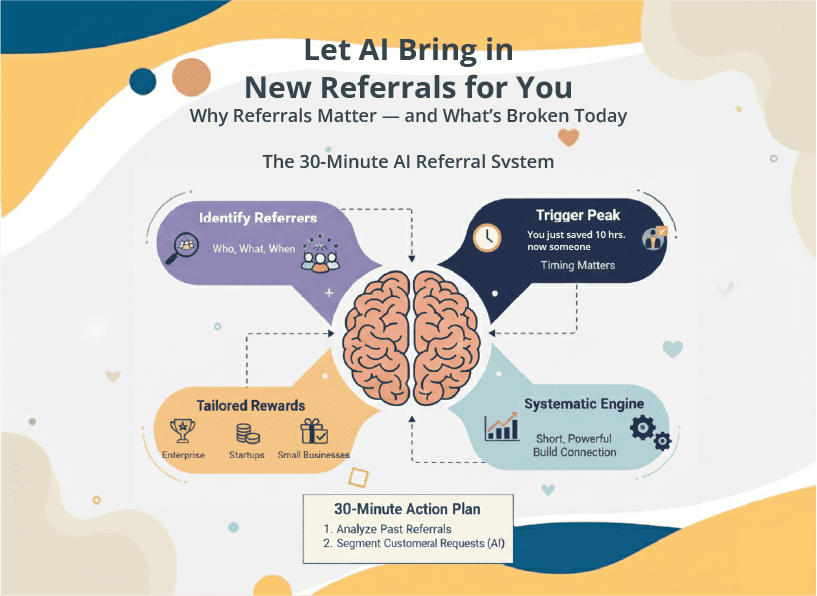
Some of the best businesses win in quiet moments, such as when a happy customer tells a colleague about a tool that made their week easier. This is exactly where referral-driven growth becomes powerful. It acts as the bridge between everyday customer wins and steady business growth.
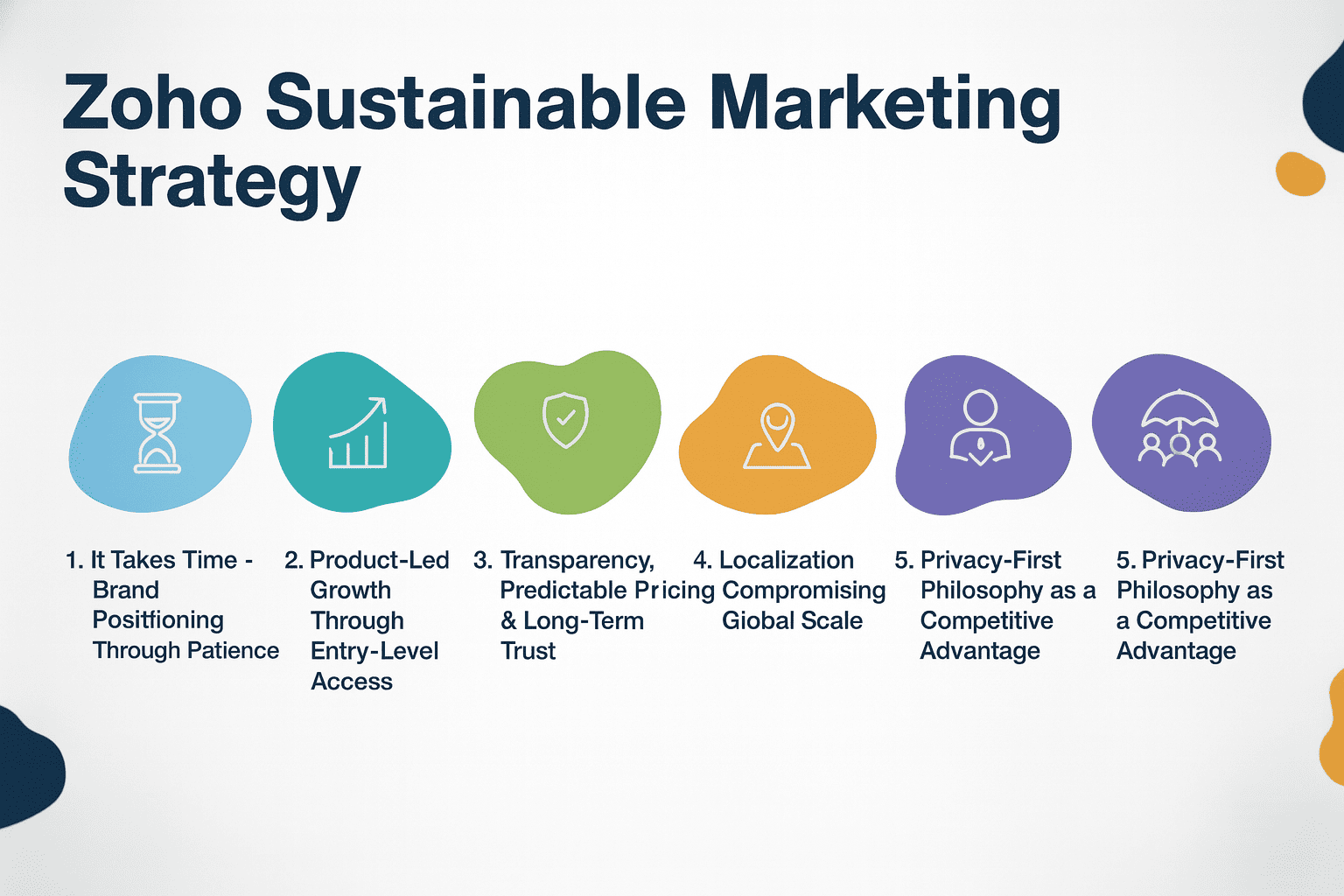
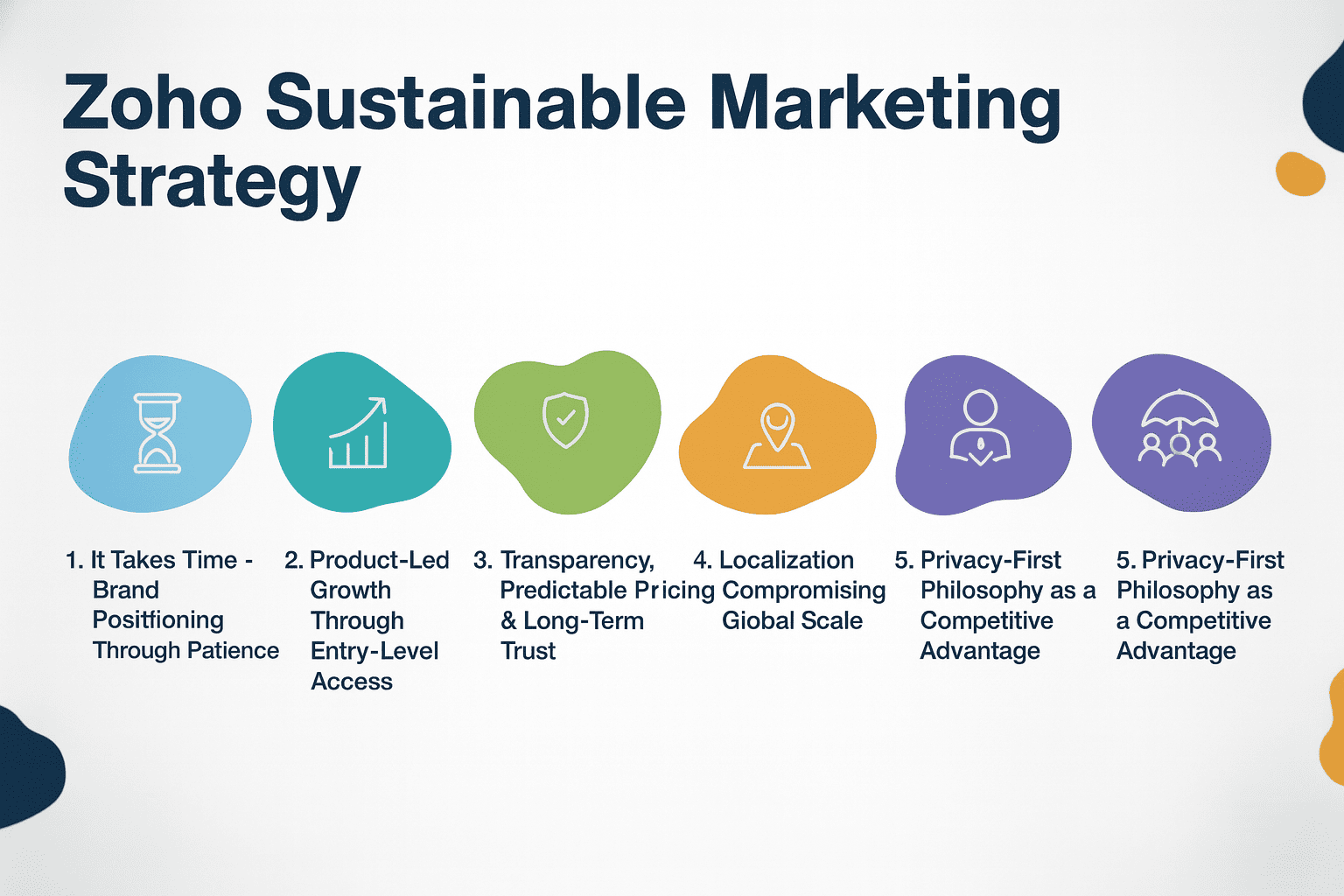
Founded in 1996 in Chennai, India, Zoho started as a small software company with a global dream. But it never took outside funding. Zoho has built its name by doing things differently and going against typical SaaS(Software as a Service) industry rules and playbooks. (Approx. Reading Time: 12 minutes)
For nearly three decades, it has grown independently, expanding to 50+ apps and reaching customers in 180 countries. But how it did, we will see that today.
Get your gear on and let’s plunge!
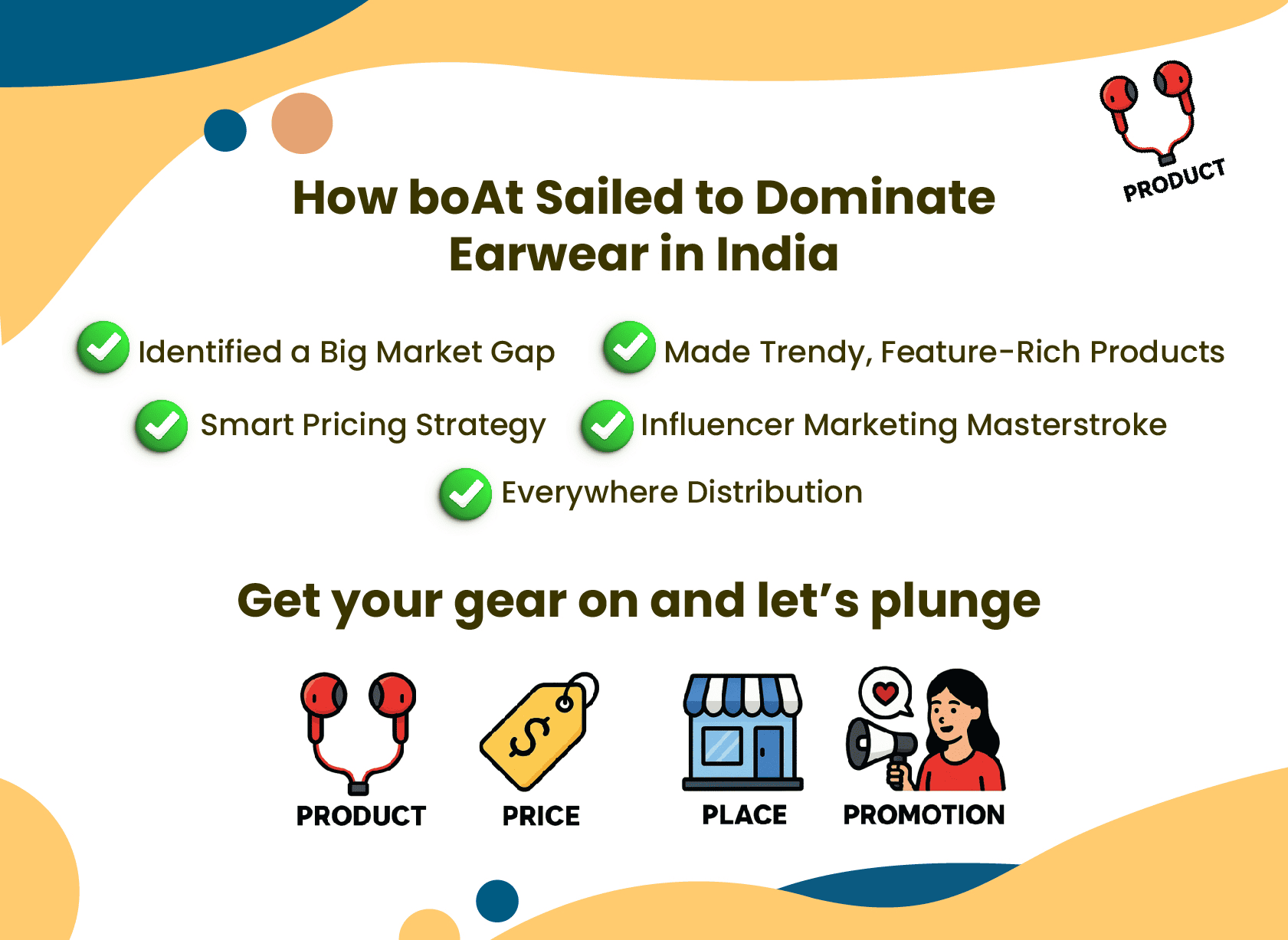
Aman Gupta and Sameer Mehta co-founded boAt where they initially sold Apple cables. They pivoted by launching affordable earphones, and since then, they have launched many products, including headphones, travel chargers, smartwatches, and more. With a 32% market share, boAt has become the fastest-growing audio brand in India.(Approx. Reading Time: 9 minutes)
How did boAt achieve this? They:
- recognized a market gap
- nailed the 4 Ps
- leveraged influencer marketing campaigns
Get your gear on and let’s plunge
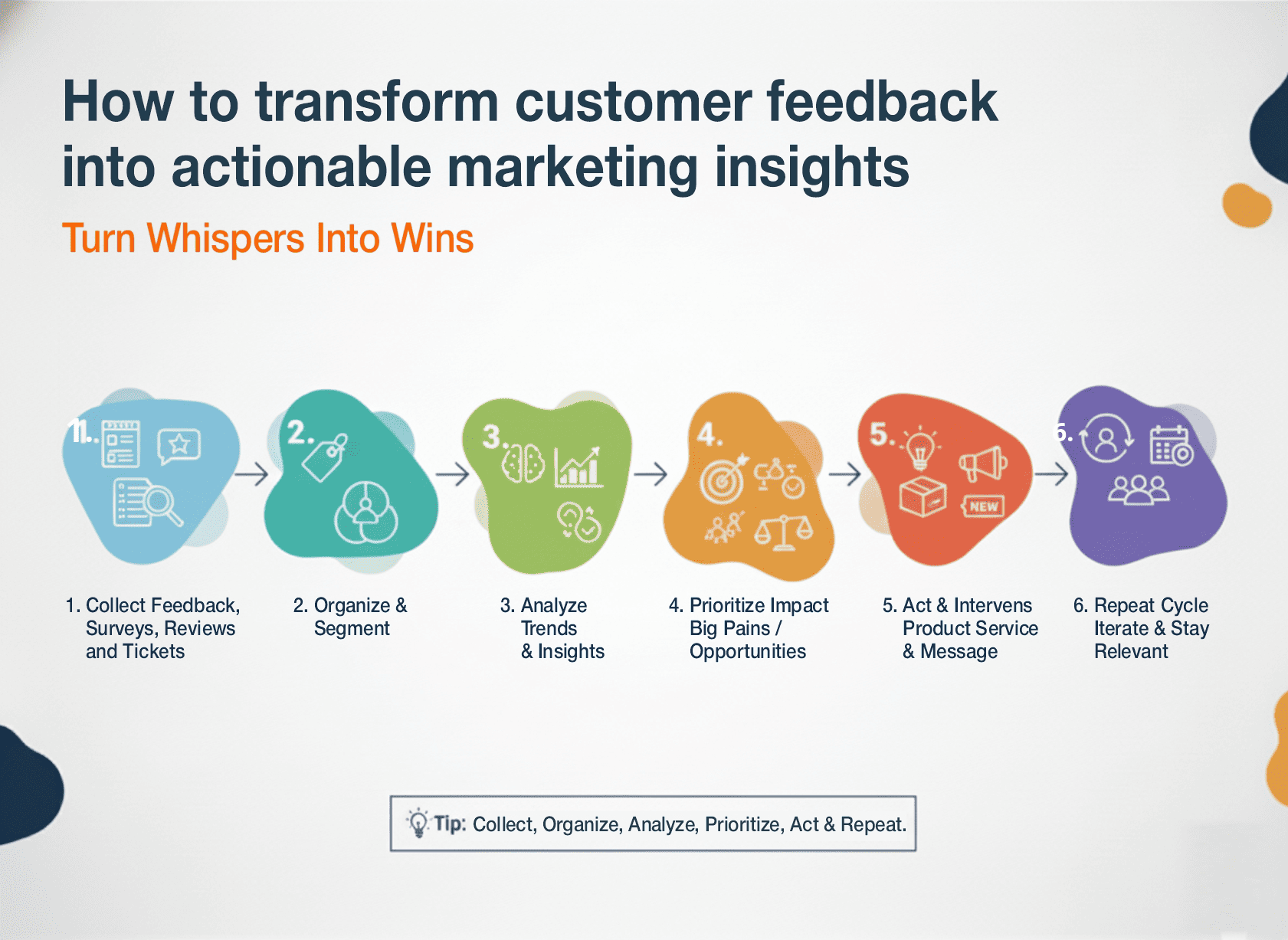
Turning Customer Feedback into Marketing Gold. Have you ever heard something like: “We got the feedback… now what?” Feedback is everywhere: reviews, surveys, social comments, support tickets. But collecting it isn’t enough. The real magic happens when you transform feedback into actions that grow your business.
Here’s how to do it — in 6 simple steps.