When was the last time your phone signal disappeared mid-call, and you instantly blamed your network? That tiny moment says a lot about how we judge telecom brands, not by what they sell, but by how they make us feel connected. That’s the space Airtel mastered.
Founded in 1995 by Sunil Bharti Mittal, Bharti Airtel grew from a mobile operator into one of India’s biggest telecom and digital service brands.
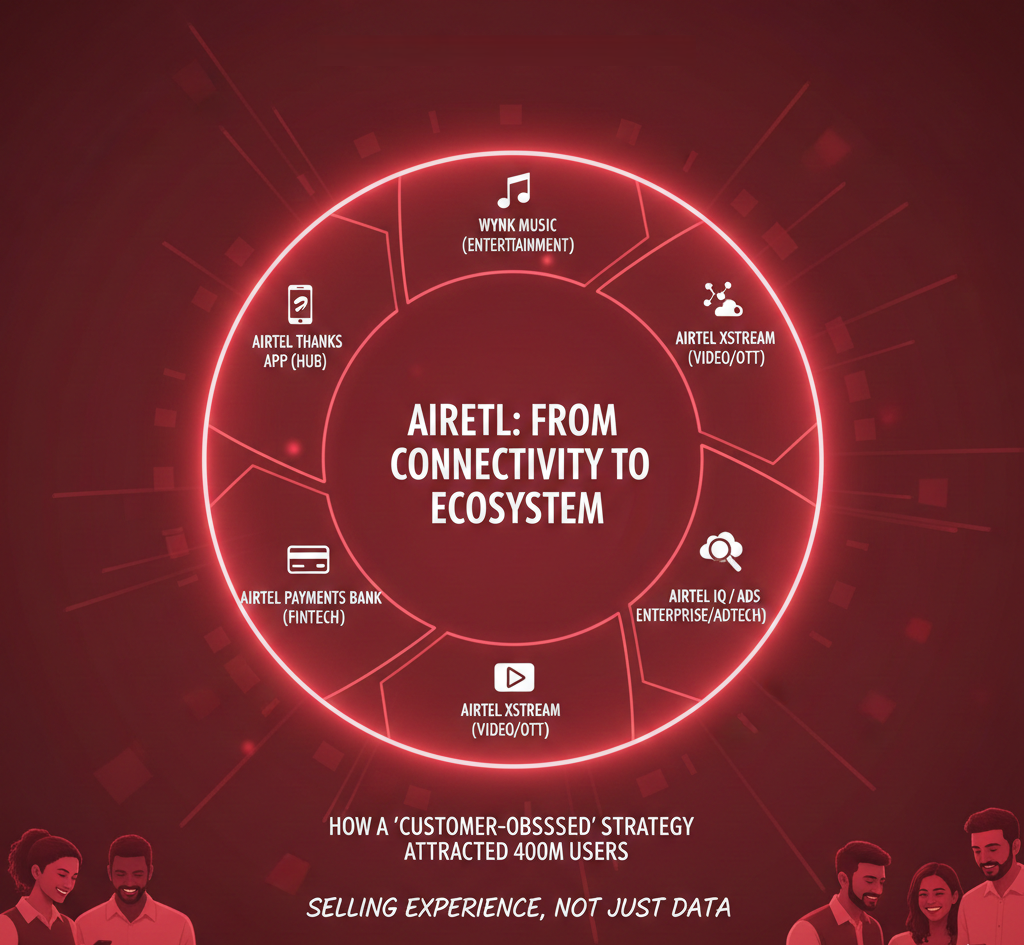
Today, it serves over 400 million customers, combining all its services.
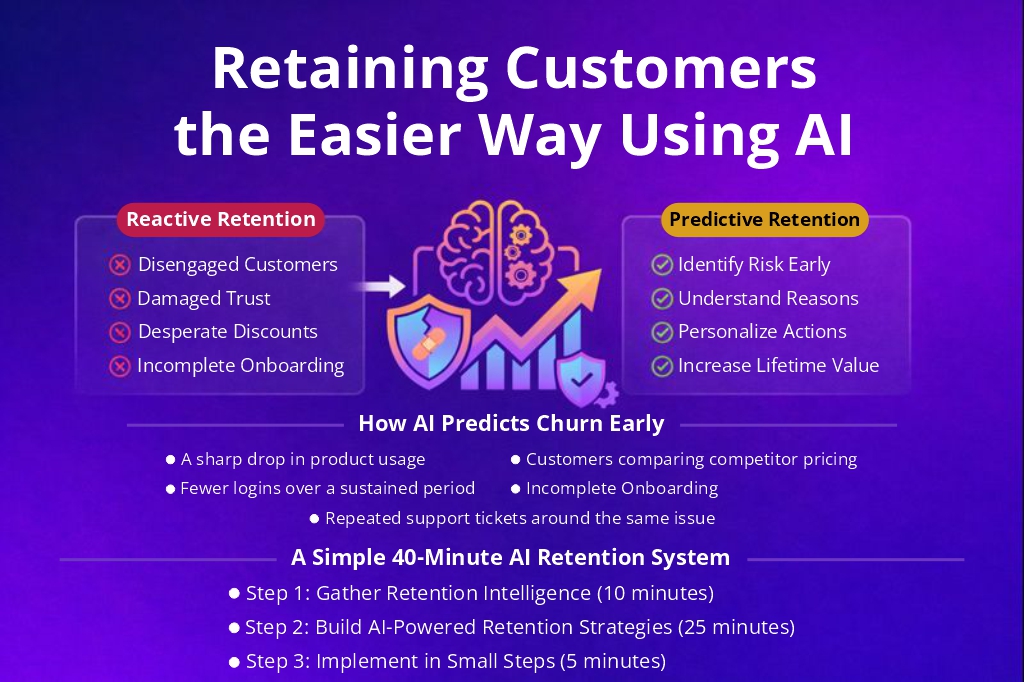
In the telecommunications world, "churn" (customers leaving for a competitor) is the ultimate enemy. For years, the industry was a race to the bottom—who could offer the cheapest GB?
But Bharti Airtel took a different path. Instead of just fighting a price war, they built a Digital Fortress. Based on the analysis by Marketing Monk, here is the deep dive into how Airtel transitioned from a pipe provider to a lifestyle orchestrator.
Most telecom apps are for checking your balance. Airtel Thanks is a lifestyle hub.
By integrating Wynk Music, Airtel Xstream, and Airtel Payments Bank, they solved the "commodity problem." If you switch to another network, you don’t just lose a SIM; you lose your music playlists, your movie library, and your primary banking interface.
Airtel’s recent marketing isn't for everyone—and that’s intentional. While competitors focus on mass-market volume, Airtel is chasing High-Value Customers. By bundling high-tier services like Perplexity AI Pro subscriptions, Amazon Prime, and Disney+ Hotstar, they’ve rebranded 5G from a "fast network" to an "exclusive club."
Telecom is an invisible product—you only notice it when it doesn't work. To combat this, Airtel’s marketing has always been deeply human.
From the iconic "Har Ek Friend Zaroori Hota Hai" (Every friend is important) to the "Airtel Girl" campaign, they shifted the conversation from "How many towers do we have?" to "How many memories can you share?"
A hidden gem in their marketing strategy is how they leverage their consumer trust to win in the B2B space. By positioning Airtel Business as the backbone of India’s digital transformation, they’ve created a "Halo Effect." If the network is good enough for 400 million people, it’s reliable enough for your corporation’s data center.
Airtel doesn't just see you as a number; they see your consumption patterns. Through their ecosystem, they know if you like K-Dramas, if you travel frequently (international roaming ads), or if you’re a heavy gamer.
Key Takeaways from Airtel’s Marketing
(screenshot this)
The Bottom Line: Airtel’s success isn't built on fiber-optic cables; it’s built on relationships. They’ve mastered the art of being "The Network That Cares," ensuring that in the mind of the consumer, they aren't just a service provider—they are the gateway to the digital world. 🚀